Table of Contents
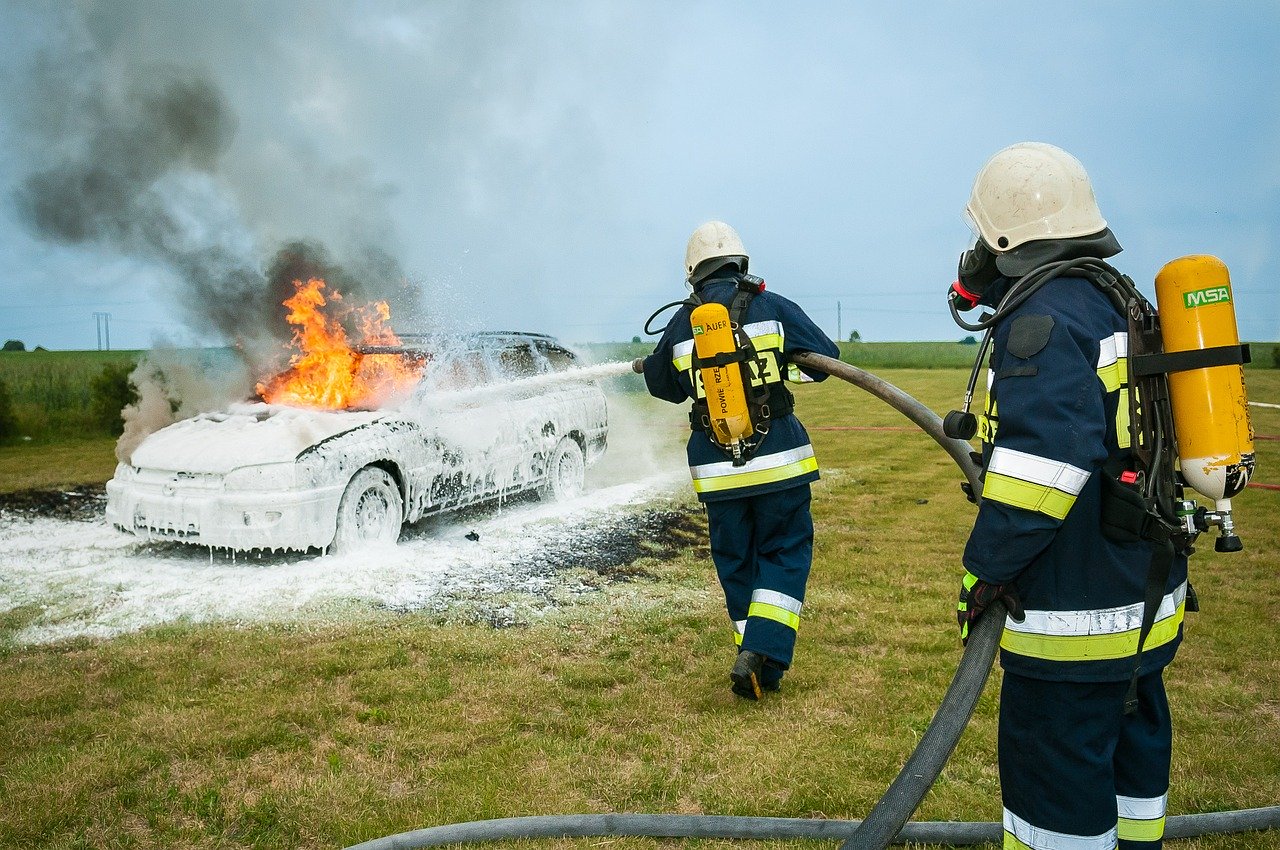
Every year lakhs of students in Madhya Pradesh finish Class 10 or 12 and ask the same question: what should I do next that actually leads to a job? Engineering, B.Sc. and B.Com. are crowded; one government vacancy attracts lakhs of applications. A fire safety course after 10th or 12th is a different route: a 6-month to 1-year programme that prepares you for a job that every factory, airport, refinery, hospital and municipal corporation is legally required to fill.
fire safety course after 10th: Quick Summary
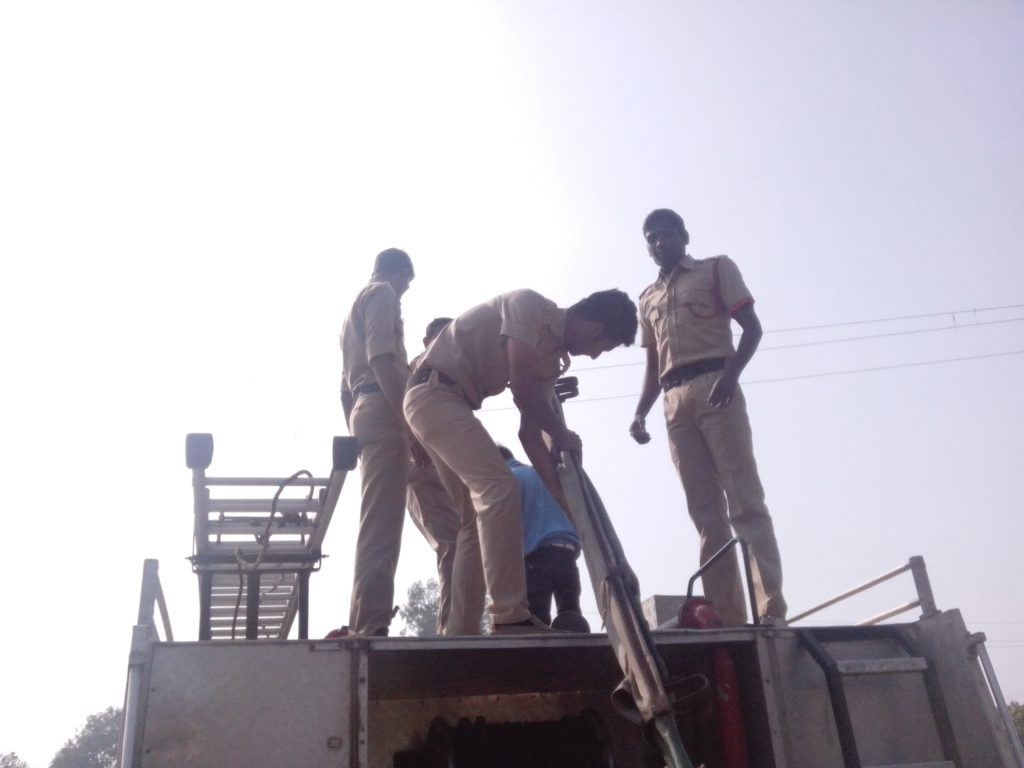
In short: a fire safety course after 10th gives you a 6-month certificate or 1-year diploma that makes you eligible for fireman jobs in government and industry, while a fire safety course after 12th (Science/ITI) opens Sub Officer and Industrial Safety roles. Below you will find eligibility, duration, fees, syllabus and the jobs each level leads to.
This guide explains the types of fire safety courses, who is eligible, how long they take, what they cost, what you study, and where you can work afterwards.
fire safety course after 10th: Key Points
- A fire safety course after 10th starts with a 6-month certificate or a 1-year diploma.
- The most popular fire safety course after 10th is the Diploma in Fireman Training (DFT).
- With Science or ITI, a fire safety course after 10th/12th can be the Fire Sub Officer or Industrial Safety diploma.
- Every fire safety course after 10th at NAFS is taught in Hindi and English with live drills.
- A fire safety course after 10th leads to government, PSU and private industry fireman jobs.
Choosing the right fire safety course after 10th is mostly about matching your current qualification to the course level, so start with the comparison below.
Why fire safety is a smart choice after 10th / 12th
- Mandatory manpower: The Factories Act, the National Building Code and state fire rules make trained fire and safety staff compulsory in industry, high-rise buildings, malls and hospitals. Demand does not depend on the economy.
- Low competition: Few students know about this field, so recruitment ratios are far better than clerical or police exams.
- Fast entry: You can be job-ready within 6–12 months of leaving school.
- Growth path: Fireman → Leading Fireman → Sub Officer → Station Officer / Safety Officer. Each step comes with a higher course and higher pay.
Whichever fire safety course after 10th you pick, make sure the institute offers live drill practice and placement support.
Types of fire safety courses
1. Certificate courses (6 months) — after 10th
Ideal for students who want the fastest route to a fireman or security-cum-fire job. Examples: Certificate in Fireman Training (CFT), Certificate in Fire Safety & Hazard Management (CFSHM), Certificate in Industrial Safety (CIS), Certificate in Driver-cum-Pump Operator (CDCPO), Certificate in First Aid (CFA).
2. Diploma courses (1 year) — after 10th / 12th
The most popular category and the minimum many PSUs and industries look for. Examples: Diploma in Fireman Training (DFT), Diploma in Fire Sub Officer (DFSO), Diploma in Industrial Safety (DIS — 12th Science/ITI), Diploma in Safety Management (DSM), Diploma in Fire Safety & Hazard Management (DFSHM).
3. Advance / PG diploma (1 year) — after graduation
For graduates and engineers aiming at Safety Officer and HSE roles: PG Diploma in Fire Safety & Hazard Management, PG Diploma in Industrial Safety, PG Diploma in Health Safety & Environment (HSE), Advance Diploma in Safety Management.
4. Degree courses (2–4 years) — after 12th Science
B.Sc. in Fire Safety & Hazard Management, B.Tech / B.E. in Fire & Safety, and MBA in Fire & Safety for management roles in large plants and multinational HSE departments.
See the complete list of 25 courses with codes and eligibility on our Courses page.
Eligibility at a glance
| Level | Education | Duration | Typical roles |
|---|---|---|---|
| Certificate | 10th pass | 6 months | Fireman, Pump Operator, Fire Watcher |
| Diploma | 10th / 12th (Science or ITI for DFSO, DIS) | 1 year | Fireman, Sub Officer, Safety Supervisor |
| PG / Advance Diploma | Graduate / B.Sc. / B.E. | 1 year | Safety Officer, HSE Officer |
| Degree | 12th Science / Diploma | 2–4 years | Fire Officer, Safety Engineer, HSE Manager |
Physical requirements for government fireman posts usually include height around 165–170 cm, chest 81–86 cm with expansion, 6/6 vision and a timed run. Private industry is more flexible but expects basic fitness. Medium of instruction at NAFS is Hindi and English, so students from villages and small towns are equally comfortable.
Fees: what does a fire safety course cost?
Fees depend on the course level and duration. Certificate courses are the most affordable, diplomas cost more because they include longer practical training, and degree programmes are priced per year like any college course. Compared with engineering or private B.Sc. colleges, a 1-year fire safety diploma is a fraction of the cost and gets you into the job market two to three years earlier. For current fee details and instalment options, speak to a counsellor on 8770631334 or 9074716603, or visit the nearest NAFS branch.
What you will study
- Fire science: classes of fire, combustion, extinguishing media
- Fire-fighting equipment: extinguishers, hoses, hydrants, pumps, fire tenders, sprinklers and alarm systems
- Rescue and evacuation: ladders, ropes, breathing apparatus, confined-space rescue
- Industrial safety: hazard identification, risk assessment, PPE, safety audits, permit-to-work
- First aid, CPR and disaster management
- Physical training, parade and discipline
- Live fire drills, mock drills and industrial visits
Jobs after a fire safety course
Government & PSU: State Fire Services and Municipal Corporations, Airport Authority of India, Indian Railways, Defence (civilian fireman posts), DRDO, ISRO, NTPC, SAIL, BHEL, Coal India, ONGC, IOCL/BPCL/HPCL refineries, Ordnance Factories and port trusts.
Private sector: cement and steel plants, thermal power plants, chemical and pharma units, textile mills, malls and multiplexes, five-star hotels, hospitals, IT parks, high-rise residential towers and private fire-protection contractors. Experienced candidates also get placements in Gulf countries at much higher salaries.
Starting salaries range from roughly ₹15,000–₹25,000 per month for a fresher fireman in private industry to ₹25,000–₹40,000 (with allowances) in government service, rising well above ₹50,000 for Safety Officer and Sub Officer roles. (Figures are indicative.)
How to choose the right institute
Look for recognised certification, trainers with real fire-service experience, live drill facilities (not only classroom teaching), Hindi-medium support, placement assistance and a branch close to home. NAFS – Narmada Academy of Fire & Safety has trained students since 2012 across eight branches in Madhya Pradesh, with Jabalpur as the state office. Read the admission process and document list before you visit.
Useful official links
For official fire service rules and recruitment information see the Directorate General Fire Services, Civil Defence & Home Guards (Ministry of Home Affairs), and for airport fire service vacancies the Airport Authority of India careers page.
Fireman Training Institute Jabalpur (NAFS) — Admission Open
10वीं / 12वीं पास के लिए 6 महीने और 1 साल के फायरमैन, फायर सब ऑफिसर, सेफ्टी ऑफिसर और इंडस्ट्रियल सेफ्टी कोर्स। मध्यप्रदेश में 8 शाखाएँ। फ्री काउंसलिंग के लिए कॉल करें: 8770631334 / 9074716603
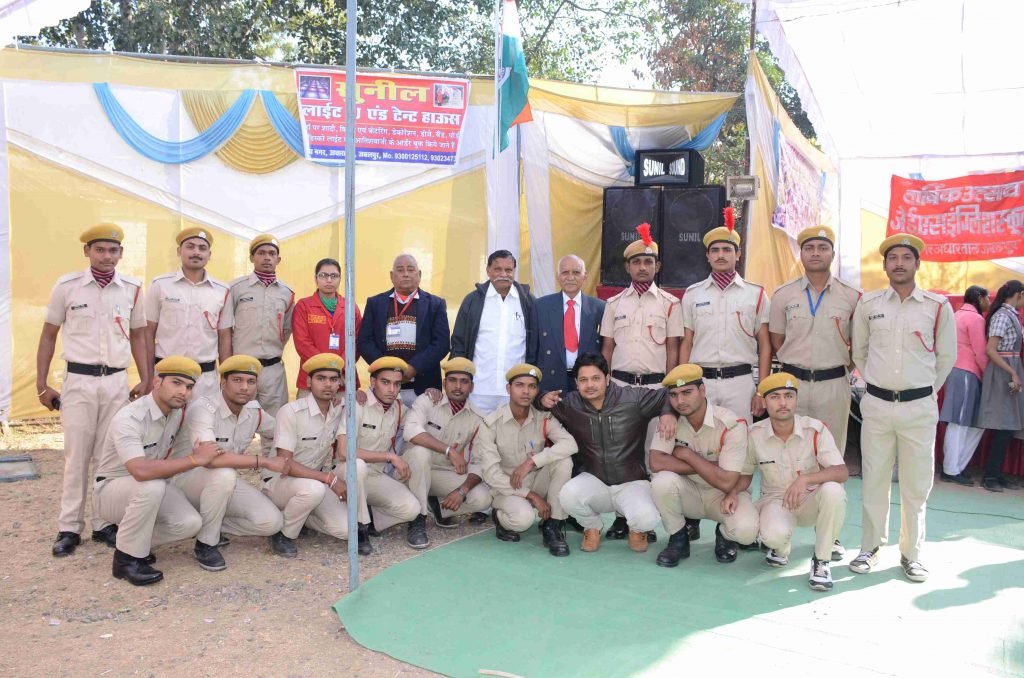
We hope this guide answered your questions about fire safety course after 10th. For more help with fire safety course after 10th or free counselling, call NAFS Jabalpur on 8770631334.
See also: all fire & safety courses · admission process · nearest branch · more articles
FAQs
Which fire safety course is best after 10th?
Start with the 6-month Certificate in Fireman Training or the 1-year Diploma in Fireman Training (DFT). Both are open to 10th pass students and lead directly to fireman jobs.
Which course is best after 12th?
If you have Science or ITI, the Diploma in Fire Sub Officer (DFSO) or Diploma in Industrial Safety (DIS) opens officer-level roles. Otherwise, DFT or DSM are excellent choices.
Is a fire safety course valid for government jobs?
Yes. Most government and PSU fireman recruitments require or prefer a fire-fighting certificate/diploma from a recognised institute, in addition to the physical test.
Can I do the course in Hindi?
Yes. All NAFS courses are taught in both Hindi and English.